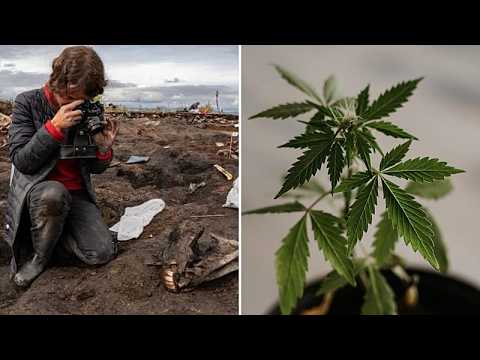
Ancient Siberian tomb reveals surprising secrets of cannabis use 2,800 years ago
Scientists investigating a 2,800-year-old Siberian tomb discovered roughly 1,000 cannabis seeds and chemical evidence suggesting ancient Scythians used the plant for its intoxicating effects. The remarkable find, surrounded by evidence of elaborate burial rituals and animal sacrifices, offers the oldest directly dated…

 Covered by 2 sources from 2 countries. First reported by ScienceDaily ·
How 2 newspapers cover this story
Ancient Siberian tomb reveals surprising secrets of cannabis use 2,800 years ago
Scientists investigating a 2,800-year-old Siberian tomb discovered roughly 1,000 cannabis seeds and chemical evidence suggesting ancient Scythians used the plant for its intoxicating effects. The remarkable find, surrounded by evidence of elaborate burial rituals and animal sacrifices, offers the oldest directly dated…
2,800-year-old Siberian tomb reveals cannabis seeds and traces in human hair
A groundbreaking archaeological find at Tunnug 1 in southern Siberia unveiled cannabis seeds within a prince's tomb, dating back 2,800 years. This tomb is tied to intricate funerary rites, including horse sacrifices. Notably, preserved human hair revealed traces of cannabis, hinting at its psychoactive use, which…
Coverage details
2 outlets from 2 countries are covering this story: ScienceDaily and The Times of India. ScienceDaily published it first, on November 8, 2026; the last outlet to join was The Times of India, 11 hours later.
Key names in the coverage: Tunnug and Siberia.
By country: United States (1), India (1).


